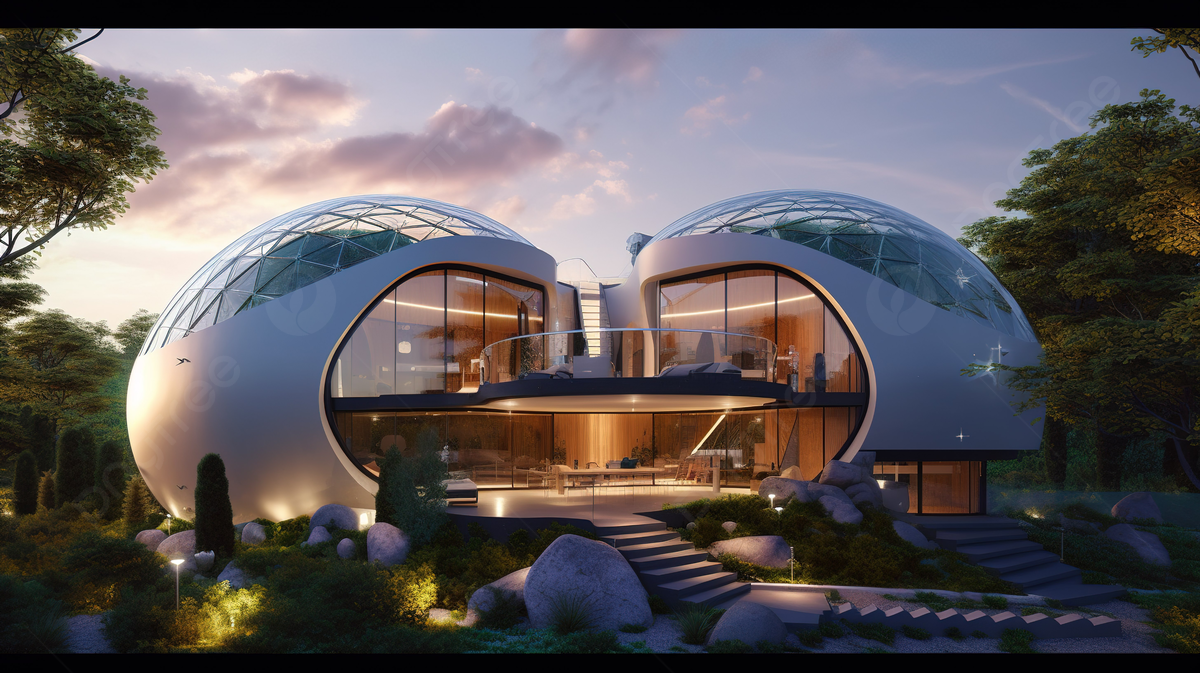
Picture this: you’ve spent months perfecting your architectural design, but clients struggle to grasp your vision from blueprints alone. That’s where photorealistic visualization bridges the gap between imagination and reality. The global 3D rendering market reached $2.08 billion in 2023 and continues expanding as industries discover its transformative power.
What Makes Professional 3D Visualization Essential
Architectural firms lose approximately 30% of potential clients due to poor visual communication, according to recent industry surveys. Static drawings simply can’t compete anymore. Honestly speaking, I’ve watched this shift firsthand – developers who adopted CGI services closed deals 40% faster than competitors stuck with traditional presentations.
When evaluating visualization needs, most businesses face a critical decision: build an in-house team or partner with a specialized 3d rendering company that delivers consistent quality. The cost difference surprises many. Building internal capacity requires $150,000-$300,000 annually for software licenses, hardware, and skilled artists, while outsourcing projects typically ranges from $500-$5,000 per image depending on complexity.
Professional rendering studios bring several advantages beyond cost savings:
- Access to cutting-edge software like V-Ray, Corona Renderer, and Unreal Engine without massive upfront investments
- Specialized expertise across multiple industries – residential, commercial, product design, and medical visualization
- Scalability to handle rush projects or seasonal demand spikes without permanent overhead
- Portfolio diversity that demonstrates proven ability across different aesthetic styles and technical requirements
These capabilities transform how businesses present concepts to stakeholders. Real estate developers report 65% higher pre-sale conversion rates when marketing with photorealistic renderings compared to traditional methods. The visual impact simply resonates differently with potential buyers.
“Quality 3D visualization isn’t just about pretty pictures – it’s about eliminating costly design mistakes before construction begins. We’ve seen clients save $50,000-$200,000 by identifying issues during the rendering phase.” – Michael Chen, Senior Architect at Foster + Partners
Key Services and Capabilities to Evaluate
Not all rendering providers offer identical capabilities. Some excel at exterior architectural visualization while struggling with complex interior scenes or product rendering. Understanding service breadth helps match your specific needs with the right partner.
The typical service portfolio includes exterior visualization for showcasing buildings in contextual environments, interior rendering that captures lighting nuances and material textures, aerial views providing comprehensive site perspective, and 360-degree virtual tours enabling immersive client experiences. Animation services have gained traction too – architectural walkthroughs now account for 35% of rendering project requests according to CGarchitect’s 2024 survey.
Technical capabilities matter enormously. Leading studios work with various software ecosystems – 3ds Max with V-Ray for architectural work, Blender for cost-effective solutions, Cinema 4D for product visualization, and increasingly, real-time engines like Unreal and Unity for interactive presentations. Each platform offers distinct advantages. Not always straightforward. But crucial for project success.
Turnaround time varies significantly across providers. Standard static images typically require 3-7 business days, while complex animations might need 2-4 weeks. Rush services exist but usually carry 50-100% premium pricing. In my experience from a Warsaw project last season, realistic timeline expectations prevent disappointment and budget overruns.
Quality assurance processes separate exceptional providers from mediocre ones. Top-tier companies offer multiple revision rounds, typically 2-3 included in base pricing, with detailed feedback implementation. They maintain consistent communication through project management platforms rather than scattered email chains.
“The rendering industry transformed dramatically between 2020-2025. What previously took weeks now completes in days thanks to GPU advancements and AI-assisted workflows. But technology means nothing without artistic vision.” – Sarah Martinez, Creative Director at ArchViz Studios
Evaluating Quality and Reliability Indicators
How do you distinguish genuinely skilled rendering companies from those producing mediocre work? Portfolio examination provides the first clue, but dig deeper than surface aesthetics. Look for lighting realism – does sunlight behave naturally? Do shadows demonstrate proper softness and color temperature? Material accuracy matters too. Kinda like comparing amateur photography to professional work – subtle details reveal expertise levels.
Client testimonials and case studies offer valuable insights beyond pretty pictures. Successful studios showcase problem-solving abilities through project narratives explaining challenges faced and solutions implemented. They don’t just display finished renders; they demonstrate process understanding and client collaboration.
Industry recognition provides objective validation. Awards from organizations like CGarchitect, The Rookies, or architectural publications indicate peer-recognized excellence. However, balance this against practical considerations – some smaller studios produce outstanding work without extensive award collections.
Technical specifications reveal another quality dimension. Request information about rendering resolution (minimum 3000×2000 pixels for print), file formats provided (JPEG, PNG, TIFF options), and post-production workflows. Professional operations deliver properly color-calibrated images ready for various media without additional adjustments.
Geographic location influences collaboration dynamics more than you’d expect. While remote work dominates the industry, time zone alignment facilitates communication. A studio operating 8-10 hours ahead might delay feedback cycles unnecessarily. That said, many excellent providers span global locations – Ukraine, India, Philippines, and Eastern Europe host thriving rendering communities offering competitive pricing with strong quality.
Communication responsiveness during initial inquiries predicts future collaboration quality. Companies taking 48+ hours to respond to proposals or providing vague project timelines often exhibit similar patterns during actual work. Trust your instincts here.
Making the Final Selection Decision
Armed with research, narrow options to 2-3 finalists. Request detailed proposals including scope breakdown, deliverable specifications, revision policies, and payment terms. Transparent pricing structures indicate professional operations – avoid providers with unusually vague cost estimates or those demanding full payment upfront.
Test projects offer the ultimate evaluation method. Commission a small, representative task – perhaps a single exterior rendering – before committing to larger contracts. This $800-$1,500 investment reveals workflow compatibility, communication effectiveness, and quality consistency better than any portfolio review.
Consider long-term partnership potential beyond immediate needs. Businesses requiring ongoing visualization support benefit from establishing relationships with reliable 3d rendering company partners who understand their brand aesthetic and technical requirements. Volume discounts and priority scheduling often accompany repeat client status.
Contract clarity prevents future disputes. Ensure agreements specify intellectual property rights, usage permissions, confidentiality terms, and revision limits. Most professional studios provide standard contracts covering these elements, but review carefully and negotiate terms misaligned with your needs.
Payment structures typically follow milestone-based schedules: 30-50% upfront deposit, 30-40% upon draft approval, and final 20-30% at project completion. This arrangement protects both parties while maintaining project momentum. Avoid providers demanding 100% upfront payment – legitimate businesses rarely require this.
The rendering landscape continues evolving rapidly. AI-assisted tools now handle preliminary modeling tasks that previously consumed hours of manual work. Real-time rendering capabilities blur lines between static images and interactive experiences. Cloud rendering farms democratize access to computational power once requiring six-figure hardware investments. These technological shifts benefit clients through faster turnarounds and lower costs while raising quality baselines across the industry.
Ultimately, selecting the right visualization partner balances technical capabilities, creative vision, communication reliability, and budget alignment. The best providers feel like collaborative team members rather than distant vendors, contributing ideas that enhance your original concepts while respecting your creative direction. When you find that synergy, the results speak for themselves – in closed deals, approved designs, and realized visions that began as mere ideas.